Caring for a family member is an act of love. In 2026, it’s also a legal and financial responsibility.
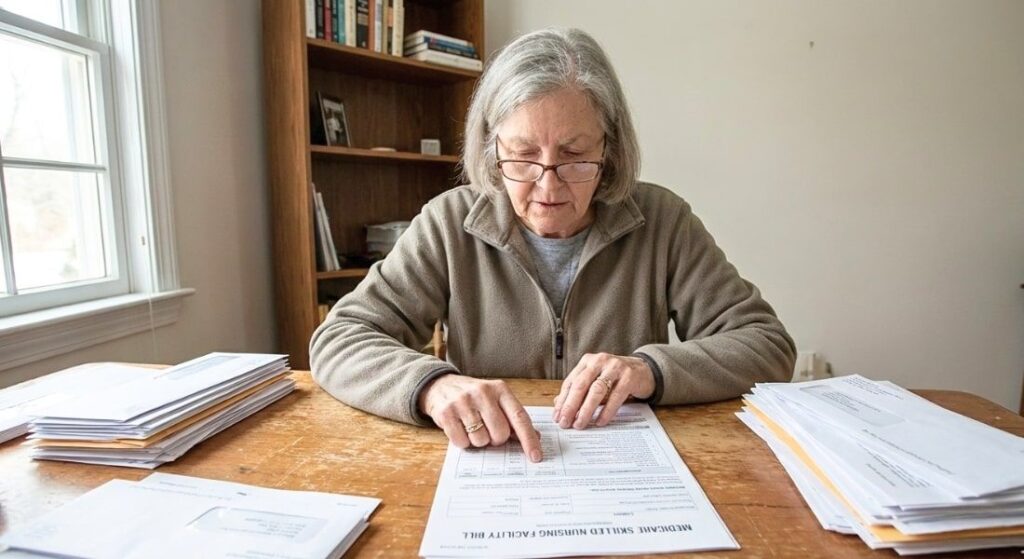
Rising healthcare costs and stricter documentation requirements mean family members often can’t step in without formal authority. Many caregivers discover this in the middle of a crisis. A bank freezes the account. A hospital denies access to medical information. Decisions stall when every minute counts.
Early caregiver planning closes this authority gap. The right legal and financial tools create clarity and control. You can protect your loved one’s dignity and act with confidence when it matters most.
In this post, we will explore key caregiver legal tools.
Why Caregiving Requires a 2026 Update
Caregiving laws and systems have changed. Documents drafted years ago may no longer provide the authority you need.
- Digital Account Restrictions: Banks and investment platforms require specific language to access online and encrypted accounts.
- Automated Medicaid Audits: Asset reviews are faster and stricter. Incomplete records can trigger delays or penalties.
- Healthcare Privacy Rules: Without detailed HIPAA authorizations, providers may restrict access to medical information.
Outdated plans and documents create risk. However, updates can ensure you have the authority to act when needed.
The “Big-Three” Core Legal Tools
Having the right legal documents gives caregivers authority and clarity. These three tools form the foundation of a solid caregiving plan.
Durable Power of Attorney (DPOA)
These documents grant authority to manage financial affairs. In 2026, ensure it includes language on digital assets and online banking. Key uses include paying bills, managing investments, and selling real estate. Choose a durable power of attorney so authority continues if your loved one becomes incapacitated.
Healthcare Surrogate Designation
A healthcare surrogate is a person authorized to make medical decisions when the individual is unable to. In 2026, including HIPAA release authority is essential. It allows providers to share test results and records through patient portals without friction.
Living Will
This document dictates medical preferences rather than naming a decision-maker. It covers end-of-life care, such as intubation, feeding tubes, and palliative options. A clear living will helps prevent family disputes during emotional moments.
Financial Planning Tools for Stability
Strong financial planning protects both your loved one and your authority as a caregiver. These tools help maintain control, transparency, and compliance.
Revocable Living Trusts
A revocable trust enables a seamless transfer of control. If your loved one can no longer manage the estate, a successor trustee steps in immediately. It avoids the months-long delays and court involvement.
Optimized Beneficiary Designations
Bank accounts and IRAs often include “Transfer on Death” or “Payable on Death” options. Make sure you coordinate these with a will or trust. Otherwise, assets can go to the wrong people or disqualify a loved one from Medicaid.
Structured Expense Tracking
In 2026, commingling funds, or mixing caregiver and care-recipient money, is a major red flag for Medicaid. Use dedicated apps or sub-accounts to track care-related out-of-pocket costs, insurance premiums, co-pays, and home modification expenses.
Medicaid and Long-Term Care Protection
Navigating Medicaid and long-term care rules is critical for protecting your loved one and their assets. The five-year look-back remains the biggest hurdle for families.
Effective asset protection strategies, like caregiver child exemptions or irrevocable trusts, safeguard eligibility. To work properly, they must be set up years in advance.
Income structuring using a Qualified Income Trust can help maintain eligibility if income exceeds Medicaid limits.
Common Mistakes to Avoid
Even well-meaning caregivers can run into costly errors. Awareness is the first step to prevention.
- The “Crisis Wait”: Waiting to sign documents until after a dementia diagnosis is often too late. Incapacity planning is crucial, as the individual may no longer have the legal capacity to make decisions.
- DIY or Generic Forms: Online templates often fail to account for state-specific requirements, such as Florida’s strict DPOA rules.
- Ignoring the Caregiver: Failing to plan for a caregiver’s illness or unavailability can create gaps in both authority and care.
Maintain Your Caregiver Toolkit
Keeping your legal and financial tools up to date ensures you are always prepared. Regular maintenance prevents gaps in authority and avoids surprises during a crisis.
- The Annual Review: Review all documents at least once a year, ideally every January. Changes in the law, new family members, or deaths can make older documents obsolete.
- Cloud and Physical Storage: Keep original documents in a fireproof safe. Maintain digital copies in a secure, shared folder or digital vault for quick access during emergencies.
- Professional Alignment: Make sure your CPA, financial advisor, and attorney are all working from the same playbook. Coordinated professionals reduce mistakes and ensure your plan functions smoothly when needed.
Common Questions About Caregiver Legal Tools
Is a will enough?
No. A will only takes effect after death. You might need a power of attorney, trusts, and other documents to manage finances and care for the individual while they are alive.
Can I use a template form?
Risks are high. Many banks and providers reject forms that aren’t properly witnessed or notarized.
When is it too late?
It’s too late when a person can no longer understand what they are signing or lacks legal capacity.
Prepare Now for a Brighter 2026
Small steps today prevent big problems tomorrow. Scott Law Offices helps caregivers update powers of attorney, living wills, and Medicaid plans with confidence. Don’t wait until a crisis forces you to make decisions. Schedule your consultation today.