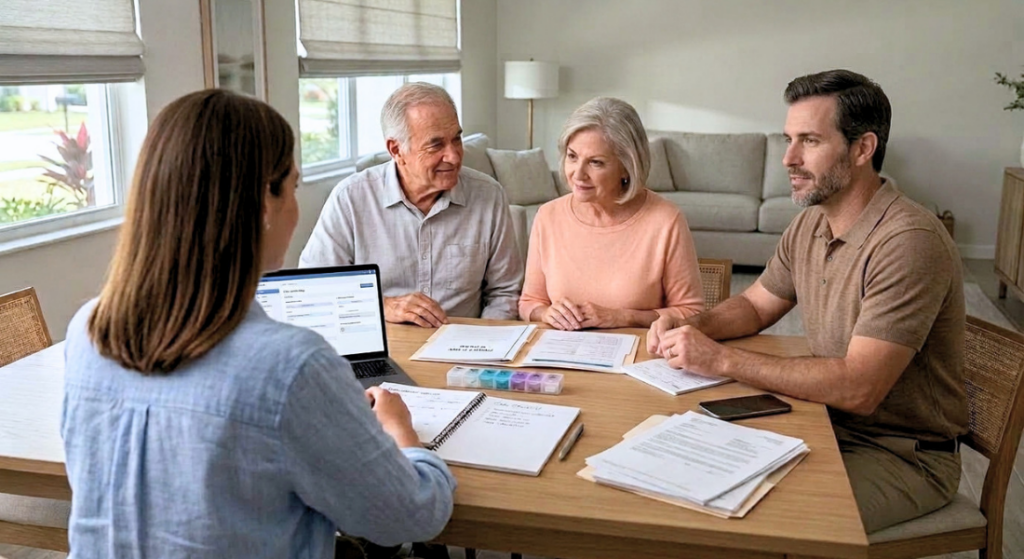
You love your dad, and you can see he needs help. Still, he insists everything is fine and pushes back against each suggestion. Maybe he skips medications or refuses to see a doctor. Perhaps the house is becoming unsafe as clutter piles up. You worry every day, but repeated conversations leave you both frustrated.
Many families face this difficult balance between safety and independence. Legal options exist beyond guardianship, and there are ways to preserve your parent’s independence. Florida law provides several options to protect your parent while respecting his right to make decisions. This guide explains practical legal strategies you can consider before an urgent health or safety problem develops.
Florida Elder Law Update for 2026
Florida Medicaid eligibility for nursing home, assisted living, and home care generally limits an individual applicant to $2,000 in countable assets. The 2026 monthly income limit for an individual applicant is $2,982. Families should confirm current requirements before submitting an application. The Scott Law Offices 2026 Medicaid Fact Sheet provides additional eligibility details.
Florida’s median monthly cost for a semi-private nursing home room is roughly $10,000. A private room is around $12,000. Exact costs depend on location, room type, and required level of care.
Florida Medicaid may cover nursing home care, assisted living, and home-based services for eligible applicants. VA Aid and Attendance may also add monthly payments to an eligible veteran’s or survivor’s pension. The payment amount depends on income, dependents, and medical expenses. Families should include these resources in early planning conversations.
Reasons a Parent Refuses Help
Many seniors view accepting help as a loss of control over their daily lives. Independence is closely tied to identity, especially for parents who managed households for decades. Your dad may also worry about unwanted placement or losing control over finances.
Sometimes cognitive decline affects judgment without the parent recognizing the change. Early dementia may affect decision-making even when someone still appears capable in conversation. Depression, grief, or isolation can also increase resistance to support.
Recognizing the likely cause can guide your approach. A parent motivated by fear may need reassurance and more control over the plan. A parent showing cognitive changes may need a medical evaluation.
Remember that competent adults can make decisions their families consider unwise. Florida law protects personal autonomy. Your legal options depend on whether your parent still has decision-making capacity.
Legal Tools That Preserve Autonomy
If your parent still has mental capacity, several legal tools can help without removing personal rights.
A durable power of attorney allows your parent to name a trusted person to manage financial matters. Your parent must understand this document and voluntarily sign it.
A healthcare surrogate designation lets your parent choose someone to make medical decisions during incapacity. Clear documents reduce confusion among family members and medical providers.
A preneed guardian designation is another option under Florida Statute 744.3045. Your parent can identify a preferred guardian if one is ever needed. This gives your parent a voice in later proceedings. However, the court must still determine whether the selected person qualifies.
These incapacity planning tools work best before an urgent situation develops. An elder law attorney can prepare appropriate documents after discussing your parent’s wishes. The conversation should focus on preserving your parent’s choices.
Legal Options After a Parent Lacks Capacity
The situation becomes more complex when a parent cannot make safe decisions and refuses help. Existing documents may let someone manage financial or healthcare decisions.
If effective documents do not exist, a Florida guardianship proceeding may become necessary. Guardianship is generally a last resort because it can remove important rights. Florida courts must consider alternatives before appointing a guardian.
After an incapacity petition is filed, the court appoints a three-member examining committee. At least one member must be a psychiatrist or another physician. The committee evaluates the person’s ability to exercise specific legal rights. The court may remove only the rights the person clearly cannot exercise. This process may result in limited guardianship when help is needed in only certain areas.
Florida Adult Protective Services accepts reports involving suspected self-neglect by vulnerable adults. Call 911 if your parent faces immediate danger. Your local aging resource center may also help identify community programs and care services.
Practical Steps You Can Take Right Now
Start by documenting concerns with dates and specific details. Keep records of missed medications, unpaid bills, falls, and unsafe driving. This information may prove useful if a doctor, social worker, or court needs a clear history.
Ask your parent to attend an appointment with his primary care physician. A doctor can screen for cognitive changes, depression, and medication problems.
Consider involving a neutral third party. A geriatric care manager can assess your parent’s needs and recommend practical support. Your parent may respond better to an outside professional than to repeated requests from family.
Finally, consult a Florida elder law attorney before the situation becomes urgent. An attorney can explain options based on your parent’s capacity and existing documents. Early advice can identify Medicaid planning steps before a health change forces rushed decisions.
Answers for Concerned Adult Children
Can I force my parent to go to a nursing home in Florida?
You generally cannot force a competent adult to enter a nursing home. A court may authorize placement through guardianship only after reviewing incapacity and available alternatives.
What is the difference between guardianship and power of attorney in Florida?
A power of attorney is a voluntary document signed while your parent has capacity. Guardianship is a court-supervised arrangement used after someone lacks capacity. Power of attorney usually costs less and preserves more personal control.
Can Adult Protective Services help if my parent refuses care?
Florida Adult Protective Services investigates reports of suspected self-neglect by vulnerable adults. The agency may assess the situation and connect your parent with protective services. A competent adult may still refuse voluntary assistance. Report immediate danger through 911.
How much does guardianship cost in Florida?
Guardianship typically costs between $5,000 and $15,000 to establish. Ongoing costs include annual reporting, attorney fees, and guardian fees. These expenses come from the ward’s assets.
Can supported decision-making replace a durable power of attorney?
No. The supporter may receive information and help communicate the parent’s decisions. The agreement does not allow the supporter to bind or act independently on behalf of the parent.
Get the Guidance Your Family Needs
You do not have to navigate this difficult situation alone. The right legal guidance can protect your parent while giving your family a clearer path forward.
Scott Law Offices helps Florida families with Medicaid planning, incapacity planning, powers of attorney, and related elder law concerns. The firm assists clients throughout Florida, including those who prefer remote legal services.
Contact Scott Law Offices to discuss your family’s situation. Accessible legal help is available without requiring you to leave home.