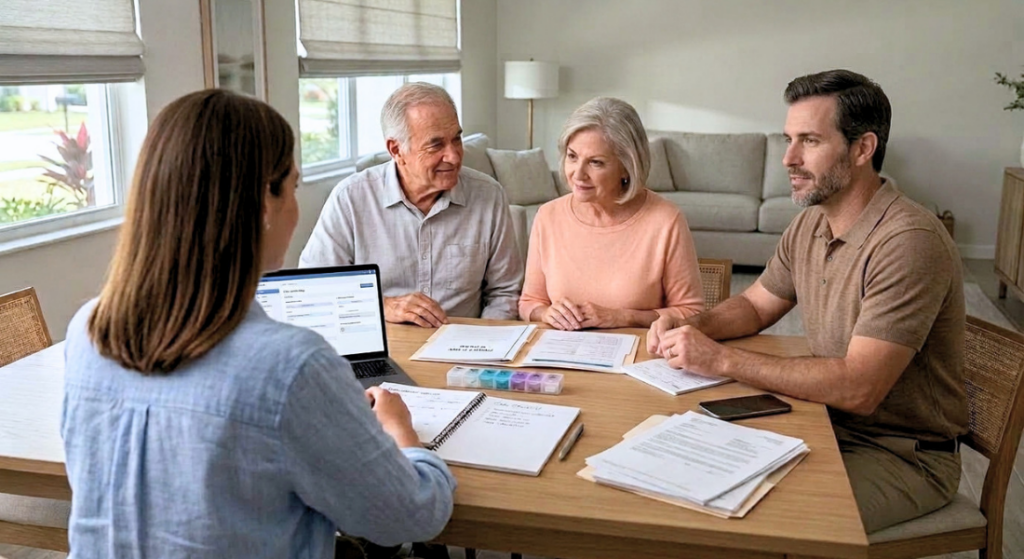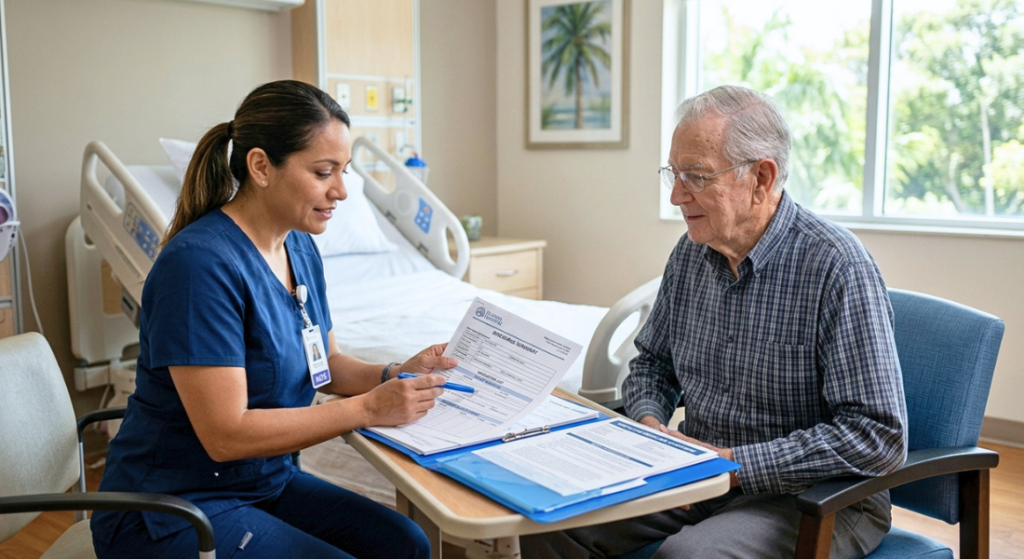
When your spouse enters a nursing home and qualifies for Florida Medicaid, your world changes overnight. You may worry about losing everything you have built together. However, Florida law protects the community spouse in several important ways.
Most families learn about the basic spousal resource allowance. Many never discover the additional protections available to them. These lesser-known strategies can separate financial hardship from true independence. This post reveals protections that could help you keep more of your shared assets.
Florida Elder Law Update for 2026
Florida Medicaid continues to follow federal guidelines for spousal impoverishment protections in 2026. The Community Spouse Resource Allowance, or CSRA, has been updated. The maximum CSRA is now $157,920. The minimum stands at $31,584. These figures adjust annually based on inflation. The Minimum Monthly Maintenance Needs Allowance, or MMMNA, is approximately $3,948 per month.
Florida nursing home costs continue to climb. In many areas, a semi-private room now exceeds $10,000 per month. This makes Medicaid planning more urgent than ever for families facing long-term care.
Court-Ordered Increases to Your Monthly Allowance
The MMMNA sets a floor for what the community spouse can receive each month. It is not a ceiling. Many families do not realize they can petition for a higher monthly allowance.
If your actual monthly living expenses exceed the standard MMMNA, you may qualify for an increase. You would need to show that your housing costs, medical expenses, or other needs justify it. A judge or hearing officer can then order a larger share of income to remain with you.
This option is especially valuable in high-cost areas of Florida. Coastal communities often have significantly higher housing and insurance costs. Knowing this right exists is the first step toward protecting your independence.
Increasing Your Resource Allowance Through Proper Planning
The CSRA determines how much of your combined countable assets you can keep. Several strategies exist to protect assets beyond the standard allowance. These approaches are legal and widely used in Florida elder law.
One common strategy involves converting countable assets into exempt resources. You can use excess funds to pay down your mortgage or make home improvements. Your primary residence remains exempt under Florida Medicaid rules. Purchasing a new vehicle, prepaying funeral expenses, or eliminating debt also work. Each move reduces countable assets while preserving your financial security.
Another important tool is the Medicaid-compliant annuity. This converts countable assets into an income stream for the community spouse. The annuity must be irrevocable, non-assignable, and actuarially sound. It must also align with your life expectancy. When structured correctly, this strategy can protect significant assets from spend-down requirements.
Spousal Refusal and Other Lesser-Known Protections
Florida recognizes a concept sometimes called “just say no” or spousal refusal. The community spouse can refuse to make their resources available for the institutionalized spouse’s care. Medicaid may still approve benefits for the nursing home spouse. The state would then pursue recovery separately.
This strategy requires careful legal guidance. In practice, the state rarely pursues aggressive recovery against a community spouse. Still, you should never attempt this without an experienced elder law attorney.
You should also know about the right to transfer certain assets after eligibility is established. The community spouse can sometimes shift resources without triggering a new penalty period, but timing and documentation matter. A knowledgeable attorney protects you from costly mistakes.
Protecting Your Income Sources and Lifestyle
Your own income is generally not counted toward your spouse’s Medicaid eligibility in Florida. Social Security, pension payments, and retirement income in your name belong to you. Many families overlook this during the stress of a Medicaid application.
If your income falls below the MMMNA, you may also receive a portion of your spouse’s income. The calculation considers your shelter costs, including mortgage, rent, taxes, and insurance.
Planning ahead allows you to maximize these income protections. Restructuring retirement account payouts or adjusting pension beneficiary designations can help. These decisions should weigh both Medicaid rules and tax implications.
FAQs About Medicaid Spousal Protections
Can the community spouse keep more than the standard CSRA in Florida?
Yes, in many cases. Through Medicaid-compliant annuities, asset conversion, and court-ordered increases, you may protect assets beyond the standard allowance. An elder law attorney can evaluate your specific situation.
How does a community spouse request a higher monthly maintenance allowance?
You can request a fair hearing through the Florida Department of Children and Families. You will need to show that your actual living expenses exceed the standard MMMNA. A court can then order an increased allowance based on documented needs.
Does the community spouse have to sell their home to pay for nursing home care?
No. Your primary residence is generally exempt under Florida Medicaid rules, provided you continue to live there. Additional protections may apply through homestead exemption laws.
What happens to the community spouse’s own retirement income during Medicaid?
Income in the community spouse’s name is typically not counted toward Medicaid eligibility. Your Social Security, pension, and other income sources remain yours. You may also receive a portion of your spouse’s income if yours falls below the MMMNA.
Take the Next Step to Protect Your Financial Independence
You do not have to navigate these complex rules alone. The protections available to a community spouse are real, but they require knowledge and careful timing. Many families miss opportunities simply because they did not know what to ask.
Do you need help managing Medicaid or VA benefits eligibility? Contact the Scott Law Offices for assistance in understanding your options. We offer accessible, affordable legal help without leaving your home.