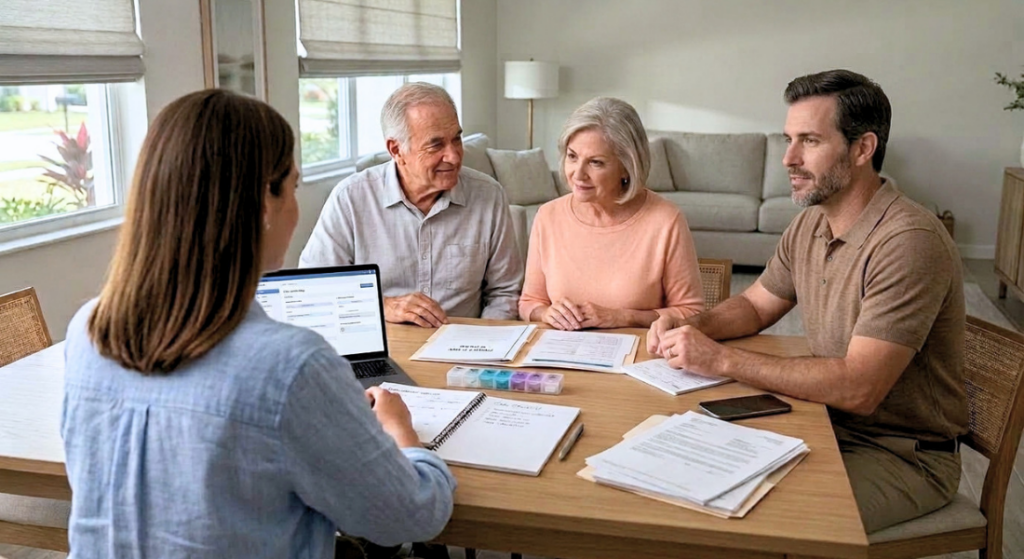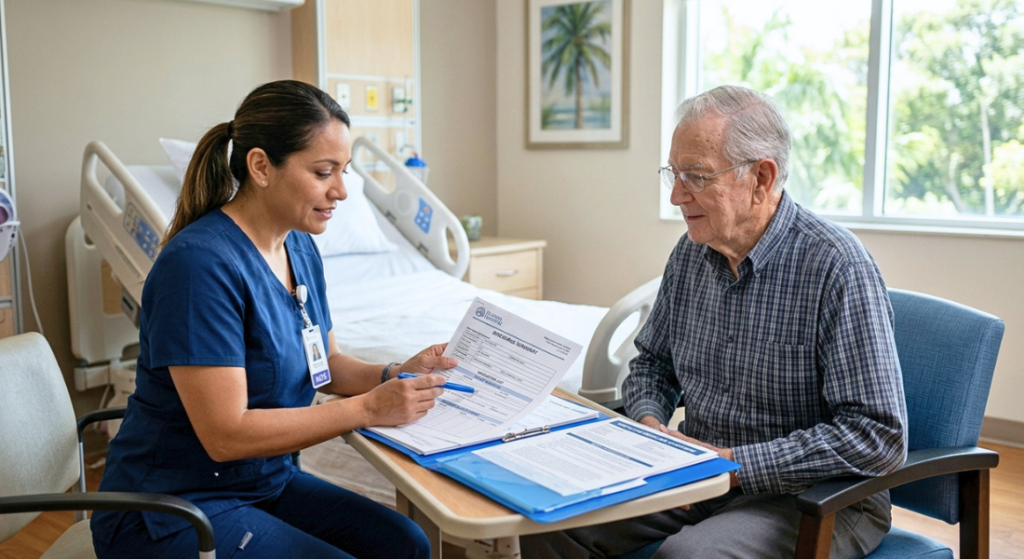
Choosing the right level of care for an aging parent or spouse can be difficult. The financial side often makes that important decision even harder.
In Florida, assisted living generally costs much less than nursing home care. However, the lower monthly price does not always make it appropriate. Many Florida families also assume Medicaid only covers nursing homes. Florida’s Long-Term Care program may cover certain assisted living services for eligible adults.
This guide compares current costs, explains Medicaid coverage, and helps families plan for a suitable care setting.
Florida Medicaid Planning for 2026
Florida Medicaid uses strict financial limits for nursing home, assisted living, and qualifying home care services. For 2026, the monthly income limit is $2,982 for an individual applicant. The countable asset limit generally remains $2,000 for one applicant.
Income above the limit does not always prevent Medicaid eligibility. A properly prepared Qualified Income Trust may address excess monthly income.
Families should confirm current figures before applying because some amounts may change during the year. The 2026 Medicaid Fact Sheet provides additional details.
Florida Assisted Living and Nursing Home Costs
The cost difference between these care settings remains substantial. Assisted living facilities in Florida average $4,000 to $6,500 per month. Skilled nursing facilities typically range from $9,000 to over $12,000 monthly. That gap can mean $60,000 or more per year in savings.
These figures are statewide medians, not guaranteed facility prices. Location, room type, included services, and resident needs can change the total. Memory care and added personal support may increase assisted living costs. Families should request a complete fee schedule from every facility they consider.
Medicaid Coverage for Each Care Setting
Florida Medicaid covers skilled nursing home care through its Institutional Care Program (ICP). If your loved one qualifies medically and financially, ICP pays for nursing home care directly. The facility receives payment from Medicaid. Your loved one contributes their income minus a small personal needs allowance.
Assisted living coverage works differently through Florida’s Statewide Medicaid Managed Care Long-Term Care program. The program may cover approved services provided within a participating assisted living facility. Covered support may include personal care, medication assistance, nursing, therapies, and case management.
Each enrollee receives services based on an approved care plan. However, Medicaid does not automatically pay every assisted living facility charge. Residents are typically responsible for room, board, personal expenses, and services outside their care plan. Families should ask facilities which Medicaid plans they accept.
Applicants must meet financial requirements and receive a nursing facility level-of-care determination. They must also complete Florida’s screening and enrollment process. The home and community-based program uses a statewide priority list. Release timing depends on individual need, priority, and available program funding.
An elder law attorney can explain the planning process. State agencies and care professionals still make medical, financial, and enrollment decisions.
Choosing the Right Level of Care
The right setting depends on care needs, safety, personal preferences, and finances. Cost should support the decision without replacing a proper care assessment.
Assisted living often suits adults needing help with bathing, dressing, meals, medication routines, or household tasks. These communities provide residential support and supervision, but the availability of nursing services varies among facilities. Families should review staffing, licenses, and service limits.
Nursing homes serve people who require ongoing nursing care, extensive personal assistance, or close medical supervision. A dementia diagnosis alone does not determine the correct setting. The person’s mobility, behavior, medical needs, and safety risks also matter.
A physician, care manager, or qualified assessment professional can help identify the safest option. Families should also ask whether future care needs can be accommodated.
Protecting Your Family’s Assets While Securing Care
Many families worry that long-term care costs will quickly reduce their savings. Florida Medicaid planning may provide lawful ways to protect certain resources.
A Qualified Income Trust addresses income above Florida’s limit. It does not protect every asset or remove other Medicaid eligibility requirements.
Spousal protections may allow the spouse living at home to retain certain income and assets. The exact allowance depends on the couple’s financial circumstances.
Some assets may also be exempt, including a qualifying home and one vehicle. Exemptions require careful review because ownership, value, and residency details matter.
Florida Medicaid generally reviews financial transfers made during the previous five years. Gifts or transfers below fair market value may create an eligibility penalty.
Avoid moving money or changing property ownership without legal advice. A decision intended to help may create Medicaid problems later. Reviewing asset preservation options early provides more time to examine care choices, financial records, and available protections.
Florida Medicaid Cost Questions
Does Florida Medicaid pay for assisted living facilities?
Florida’s Long-Term Care program may cover approved care services in participating assisted living facilities. It does not automatically cover the entire facility bill. Applicants must meet financial and medical requirements. Enrollment may also depend on assessed priority and available program funding.
Can my spouse keep our home if I go into a nursing home on Medicaid?
A qualifying home may remain exempt while a community spouse continues living there. Medicaid also provides certain financial protections for spouses living outside nursing facilities. Ownership, residency, home value, and estate recovery rules can affect the result. Seek legal advice before transferring ownership or changing the deed.
What is the SMMC LTC waitlist, and how long is it?
Florida does not provide one fixed wait time for every applicant. The state prioritizes applicants based on their needs and available support. Release timing depends on priority and available program funding. Nursing facility applicants do not follow the same waitlist process as home and community-based services.
Plan the Next Step to Protect Your Family
Choosing between assisted living and nursing home care involves more than comparing monthly prices. Your family must also consider safety, care needs, and Medicaid rules.
Scott Law Offices has assisted Florida seniors and their families with elder law concerns for more than three decades. The firm provides guidance concerning Medicaid eligibility, asset preservation, and long-term care planning.
Contact Scott Law Offices to discuss your family’s circumstances. Legal guidance is available without requiring you to leave home.