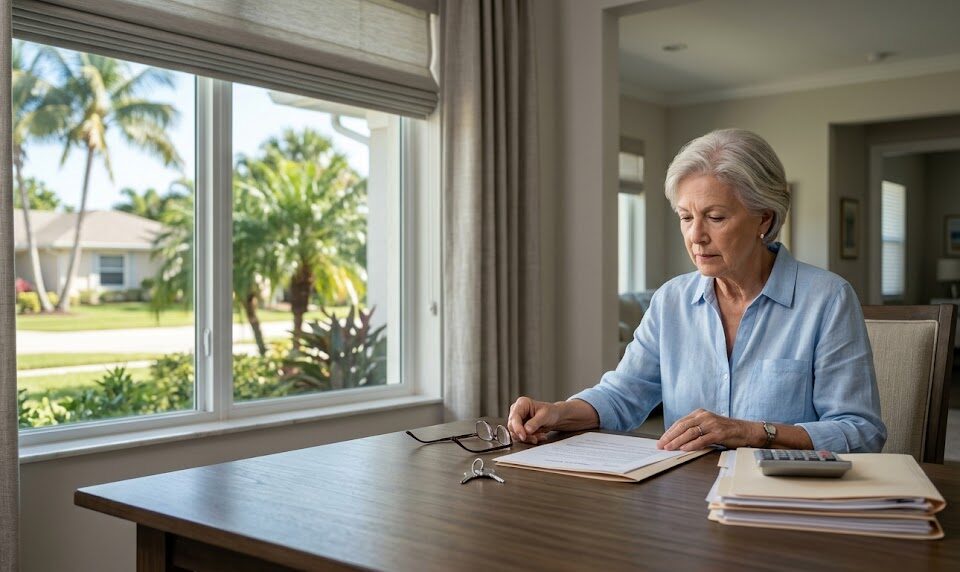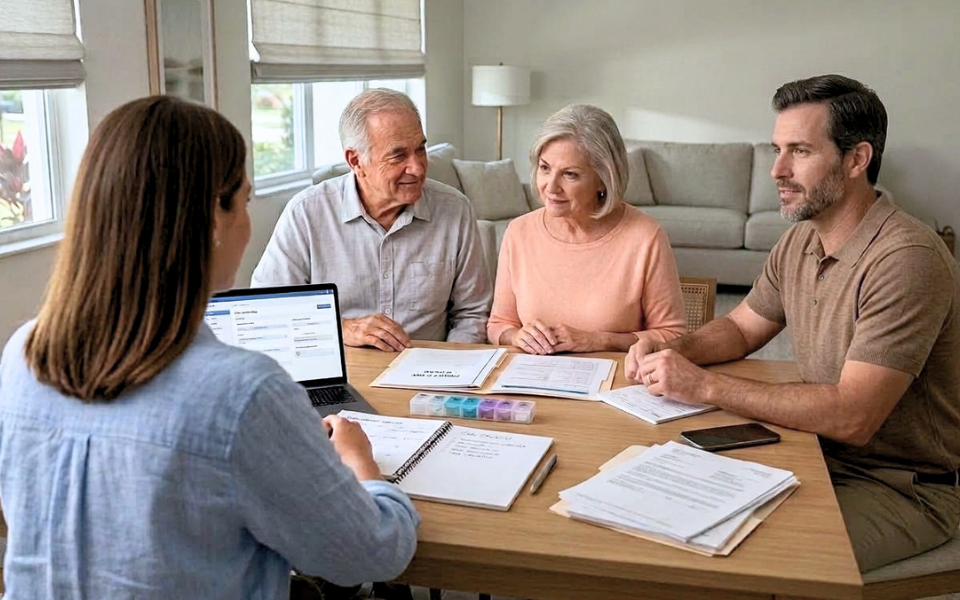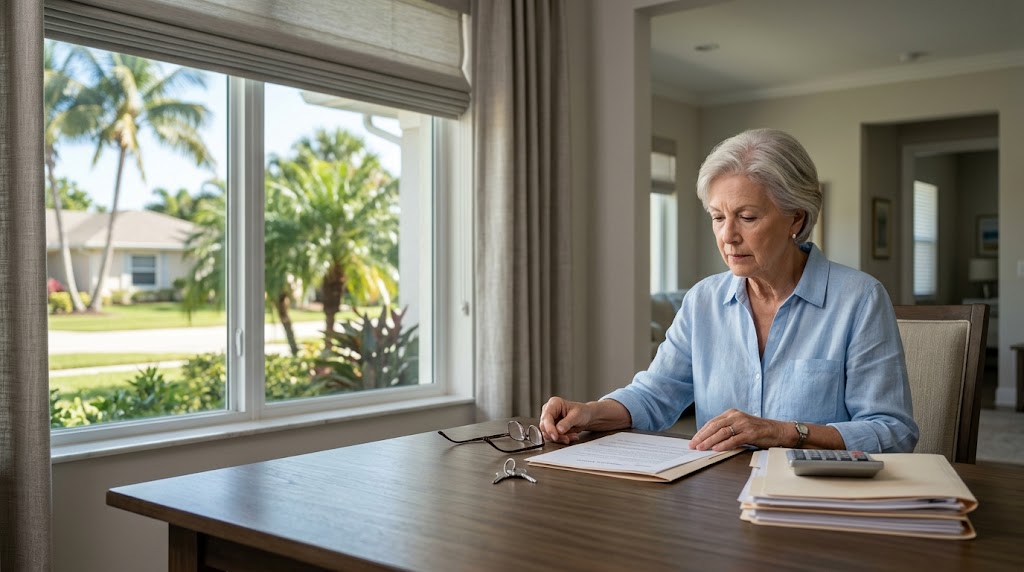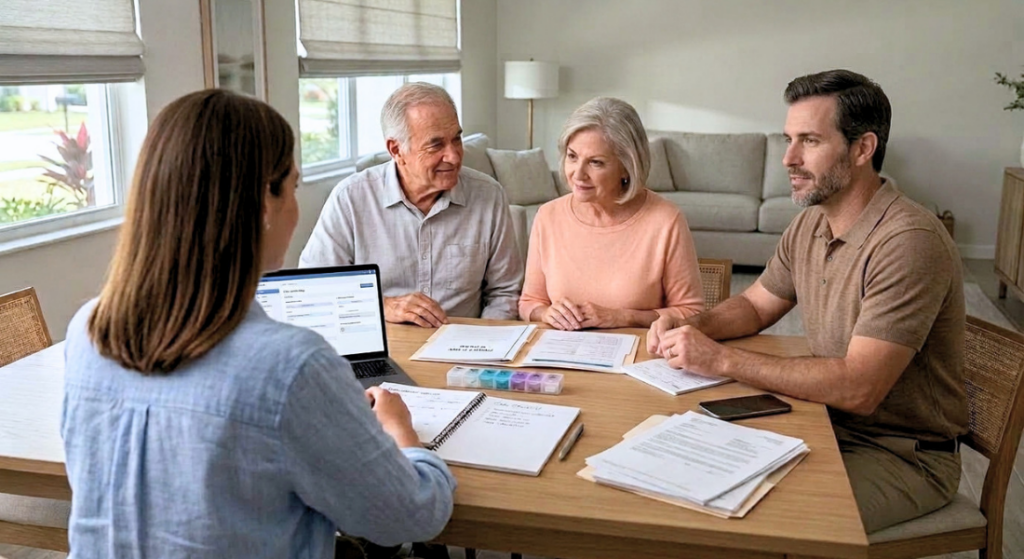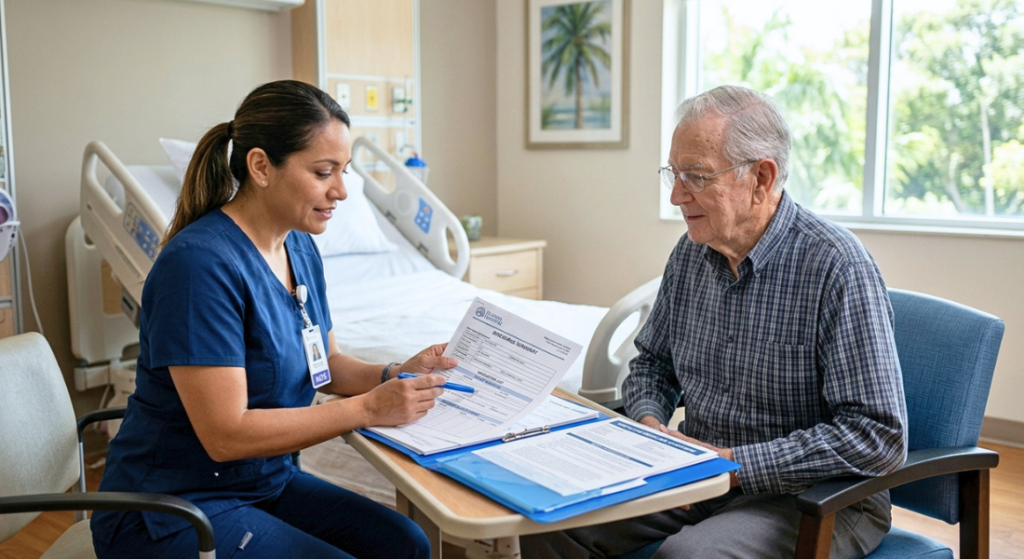

It’s a common story in families with aging parents. One sibling lives nearby and handles nearly everything for Mom or Dad. The others live farther away or stay less involved. Doctor visits, medication management, meal preparation, and emotional support can all fall on one person.
The caregiving sibling gives up time, career opportunities, and personal time while the work continues. Resentment can build when other siblings do not fully understand the amount of care involved. When fair compensation comes up, family tensions can rise.
Florida families can use a personal care agreement to compensate a caregiving child for legitimate services. When structured correctly, the agreement can also support the parent’s Medicaid planning. If it is not structured correctly, Medicaid may treat some payments as uncompensated transfers. This post walks through the details that help families get the agreement right.
Florida Elder Law Update for Caregiving Families
Florida Medicaid’s 2026 income limit for an individual applying for ICP, HCBS, or hospice is $2,982 per month. The asset limit remains $2,000 for an individual applicant. The community spouse resource allowance is $162,660.
Florida nursing home costs also remain significant for families planning long-term care. CareScout’s 2025 survey lists Florida’s median semi-private nursing home room at $10,342 monthly. The statewide median for a private room is $12,167 per month.
Transfers for less than fair market value during the five-year look-back period may create a Medicaid penalty. That is why payments under a personal care agreement need clear terms and supporting records.
Personal Care Agreements and Their Role in Medicaid Planning
A personal care agreement is a written contract between an aging parent and a caregiving child. It identifies the specific services the caregiver will provide and establishes compensation for those services.
Without a properly structured agreement and supporting records, Medicaid may treat payments to a caregiving child as transfers for less than fair market value. During the five-year look-back period, those transfers can affect eligibility for long-term care benefits.
A properly drafted agreement can document that payments are compensation for real services rather than gifts. It also sets clear family expectations about the services provided and the basis for compensation.
Elements of a Legally Sound Personal Care Agreement in Florida
Not every handwritten note qualifies as a valid personal care agreement. Florida Medicaid reviewers scrutinize these documents. The following elements are crucial for a legally sound agreement:
- The agreement must list specific caregiving duties in detail. Vague descriptions like “helping out” will not suffice. Include tasks such as bathing assistance, transportation, grocery shopping, and medication management.
- Compensation must reflect fair market value. Research what home health aides charge in your Florida county. Overpaying invites Medicaid to treat the excess as a gift.
- Sign the agreement before services begin, not retroactively. Medicaid does not honor agreements created after the fact.
- Include the expected duration and a termination clause. The agreement should state when the caregiving arrangement begins, how long it is expected to continue, and the circumstances under which either party can end it.
- Have it notarized and reviewed by an elder law attorney. An elder law attorney can review the agreement for potential Medicaid issues, including whether its terms and compensation could affect eligibility.
How to Handle the Family Conversation Without Deepening Conflict
Money and caregiving are emotionally charged family topics, so starting the conversation early can make a real difference. Consider holding a family meeting in person or by video call before compensation begins.
Present the personal care agreement as a way to create clear expectations for everyone involved. The caregiver receives fair compensation for real work, while other siblings can understand where the parent’s money goes.
If siblings resist, share the financial reality of hiring outside care. CareScout reports a 2025 Florida median of $32 per hour for non-medical caregiving. A sibling providing 30 hours of comparable care each week is contributing substantial time and value.
An elder law attorney can also explain the agreement in a neutral setting and keep the discussion focused on the terms.
Common Mistakes That Can Affect Medicaid or Family Agreements
One frequent mistake is paying the caregiver without enough documentation showing the services provided. Keep records of hours worked, tasks completed, and payments made under the agreement.
Another common error is setting compensation above a supportable fair market value. Medicaid may treat amounts above fair compensation as an uncompensated transfer when applying its transfer rules.
Some families also try to create an agreement later to justify payments already made for past unpaid services. A new agreement can cover future care, but it should not simply reclassify earlier gifts or undocumented payments.
Finally, caregiver compensation can have tax consequences and should be reported correctly. The exact tax treatment depends on the arrangement, so families should discuss reporting requirements with a qualified tax professional.
FAQs About Personal Care Agreements
Can a personal care agreement be created after caregiving has already started?
Yes, you can still create an agreement after caregiving has started, but it should generally address services provided after signing. It should not be used simply to justify payments for past unpaid care.
Will Medicaid consider payments under a personal care agreement as gifts?
A properly structured agreement can support treating payments as compensation rather than gifts. The payment should reflect fair value for real services and follow the written agreement. Without clear terms and documentation, Medicaid may treat some payments as gift transfers.
How do I determine fair market value for caregiving services in Florida?
Start by reviewing current rates for comparable caregiving services in your parent’s area. CareScout’s 2025 survey lists Florida’s median non-medical caregiver rate at $32 per hour. The caregiver’s duties, time commitment, training, and local market rates can help determine a supportable amount.
Do other siblings need to approve the personal care agreement?
The agreement is typically between the parent and the caregiving child, so other siblings generally do not need to approve it. However, authority issues can differ if someone signs for the parent under a power of attorney. Sharing the agreement openly can also reduce questions and future family disputes.
Take the Next Step to Protect Your Family
Creating a personal care agreement can be a practical step for a Florida family managing long-term caregiving. It can compensate the caregiving child, create clearer family expectations, and support Medicaid planning when structured correctly.
The details still matter because the agreement’s terms, documentation, and payment amount can affect Medicaid treatment.
Do you need help managing Medicaid or VA benefits eligibility? Contact the Scott Law Offices for accessible, affordable legal help without leaving your home.
Share this article with a family member who needs to see it. Subscribe to our newsletter for timely updates on Florida Medicaid rules and elder law planning strategies.